
Have you ever wondered what secrets lie hidden beneath the asphalt as you walk along the bustling Eje Central? For mystery lovers, the Guerrero neighborhood holds a fascinating story beneath its foundations, for that is exactly where the legendary Santa Paula Cemetery once stood.
Origin, Location, and History
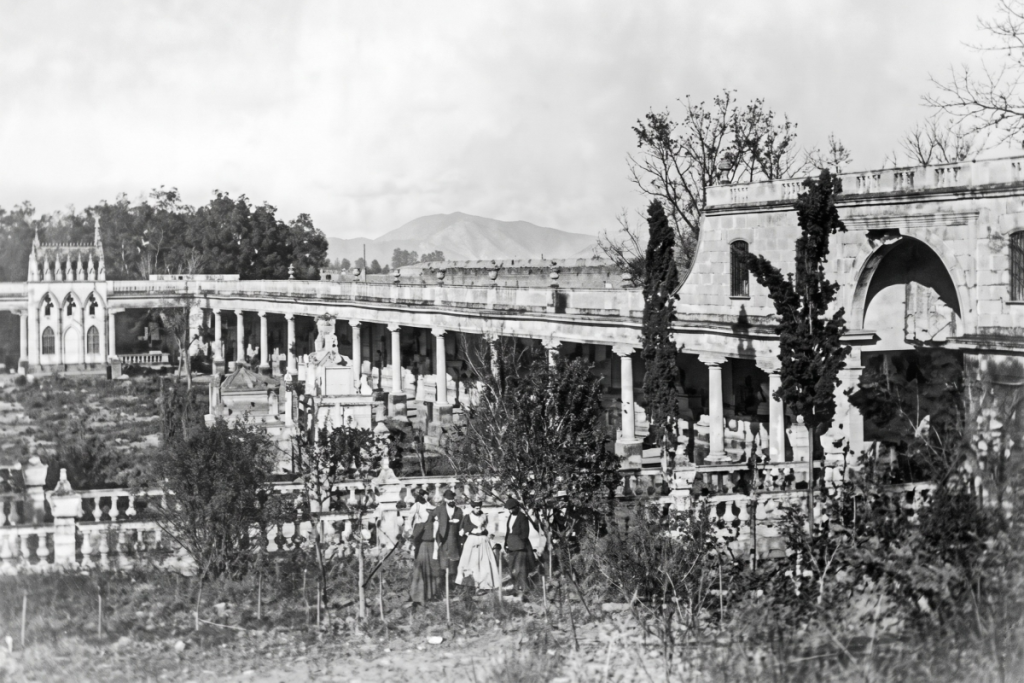
According to *Burials in the Old Santa Paula Cemetery in Mexico City*, in 1784, Archbishop Alonso Núñez de Haro y Peralta granted a plot of land to the Hospital de San Andrés so that it could bury its deceased. However, it was not until 1836 that the administrator Vicente García obtained an official permit to transform it into an imposing public cemetery.
Its location was prime for the time: it bordered present-day Moctezuma Street to the north, Santa María la Redonda (now Eje Central) to the east, Magnolia to the south, and Galeana to the west.
The site quickly became adorned with gardens and a beautiful chapel, becoming the city’s main cemetery.
Who Was Buried in the Santa Paula Cemetery?
Iconic figures such as Leona Vicario, the Count of Regla, and even the famous leg that Antonio López de Santa Anna lost in 1838 (whose monument was destroyed by an angry mob six years later) were laid to rest here.
But tragedy also marked this land. During the terrible cholera epidemic (1850–1851), the grounds were overwhelmed with corpses that had to be buried in enormous mass graves covered with lime.
The INAH discovered 17 skeletons that revealed a grim past
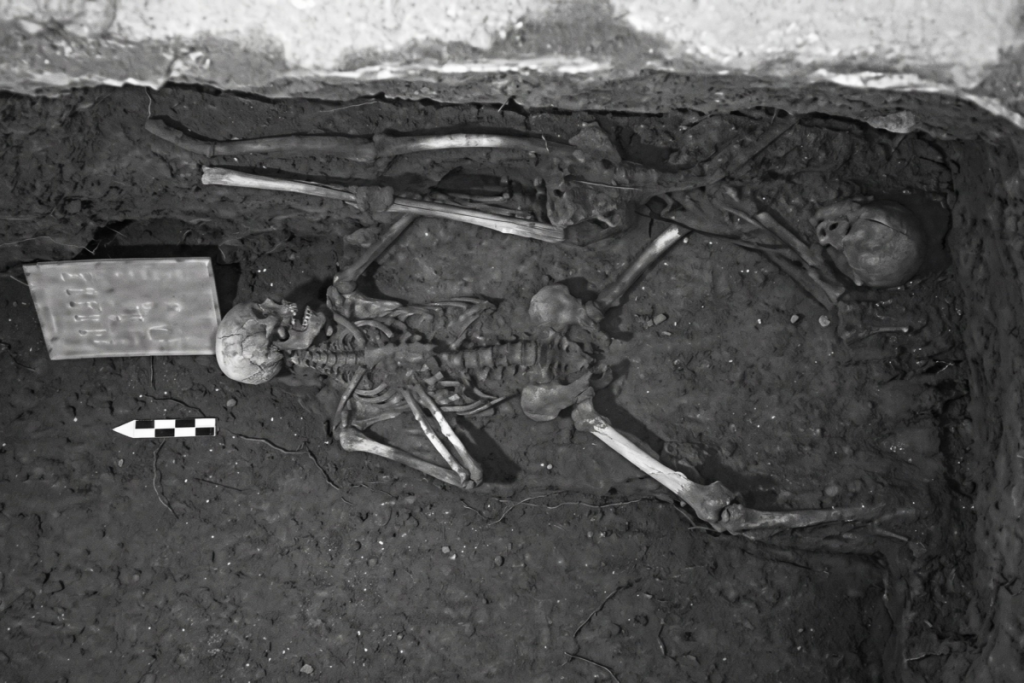
An archaeological study by the INAH, conducted between 2004 and 2005 on the properties at Eje Central 80 and Riva Palacio 69 and 71, unearthed 17 skeletons.
Osteological analyses revealed the harsh reality of the lower class at that time: 58.8% of the remains showed signs of anemia and severe malnutrition due to a lack of iron and vitamins.
The discovery stood in contrast to individual burials of the time, where copper, shell, and bone buttons—as well as remnants of metal coffins—revealed those who did have the financial means for a private funeral rite.
What happened to this cemetery?
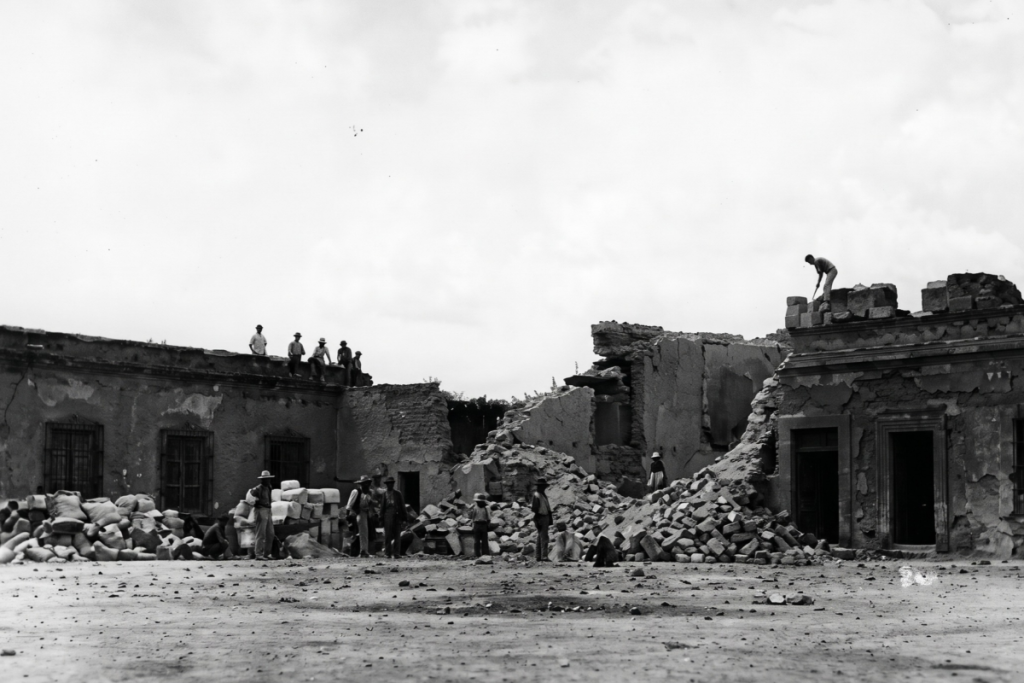
Following the death of Vicente García in 1851, neglect and a strong earthquake in 1858 left the cemetery in ruins.
Finally, as it was swallowed up by urban development and posed a health risk, the authorities ordered its closure on July 29, 1871. The land was subdivided to widen the streets, and by 1903, its last remaining walls had been demolished.
The next time you walk through this area, very close to the Garibaldi/Lagunilla Metro station, remember that you’re walking on the living memory of the Santa Paula Cemetery.