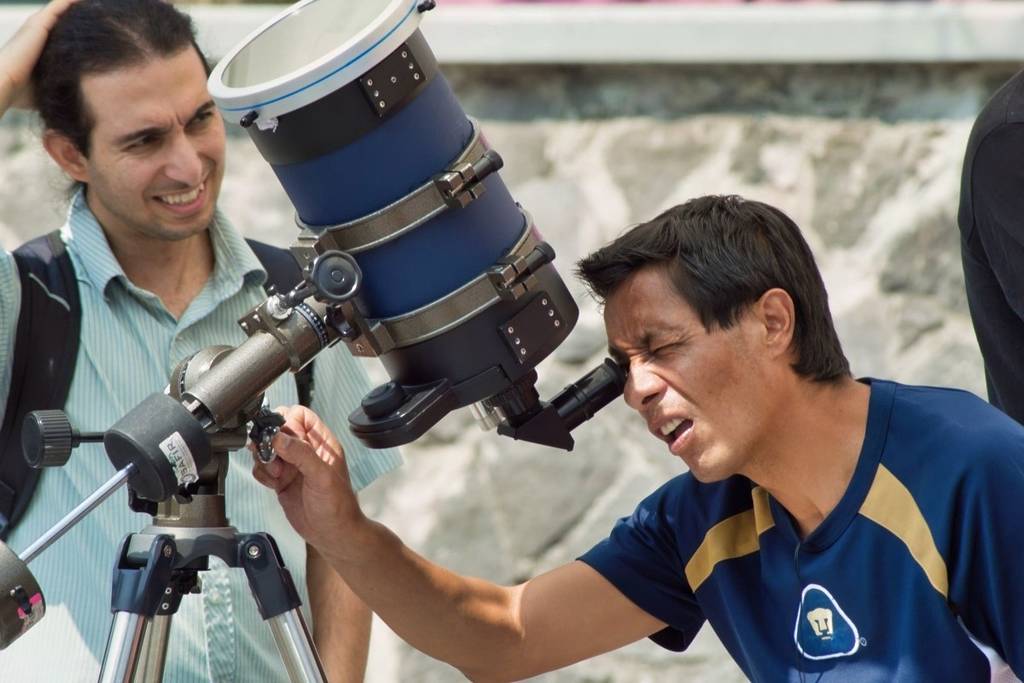
Surely you have already seen the moon and stars, but have you ever seen the sun in a telescope? We tell you all about this special astronomical observation at the Natural History Museum.
Observing the sky has always aroused curiosity, amazement and a deep desire to understand more about the universe, and doing it during the day is even more interesting.
This Sunday, January 18, the Museum of Natural History and Environmental Culture invites the public to a unique experience to explore the sky through an astronomical observation activity especially dedicated to the Sun.
From 12:00 to 16:00 hours, the Plazoleta of the museum will become a meeting point for all those interested in discovering the secrets of the brightest object in our sky.
The day will be led by M. A. José Luis Abaonza, a specialist in scientific dissemination and astronomy enthusiast.
With his guidance, attendees will be able to approach instruments such as solar telescopes and specialized filters that allow them to observe this star safely.
Thanks to this technology, it will be possible to appreciate details that are impossible to see with the naked eye, such as sunspots, filaments and the ever-changing texture of the solar surface.
This activity will be an ideal opportunity to learn about the dynamics of the Sun, its importance for life on Earth and its constant influence on our planet.
In addition, the experience is designed for all audiences: from families looking for an educational and fun activity to astronomy enthusiasts who wish to deepen their knowledge. No previous experience is required, just a willingness to look up and be amazed.
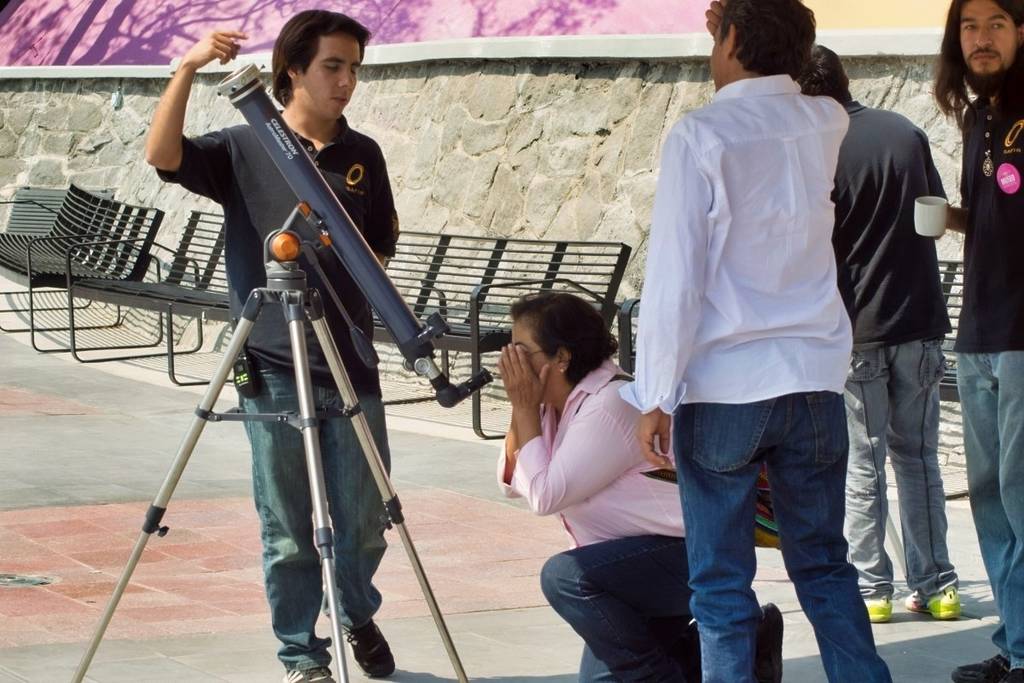
The outdoor location, in the Plazoleta of the Museum of Natural History and Environmental Culture, offers a perfect environment to enjoy the activity in a safe and accessible space. The best part? you will be able to talk with the expert, solve doubts and understand the importance of observing the sky with appropriate instruments.
This experience is included in the admission ticket to the museum. Remember that general admission costs $38. Children, teachers and students pay $18, while seniors, children under three years old and people with disabilities get in free.
If you are passionate about the universe or simply want to live a different experience, do not miss this fascinating astronomical observation.