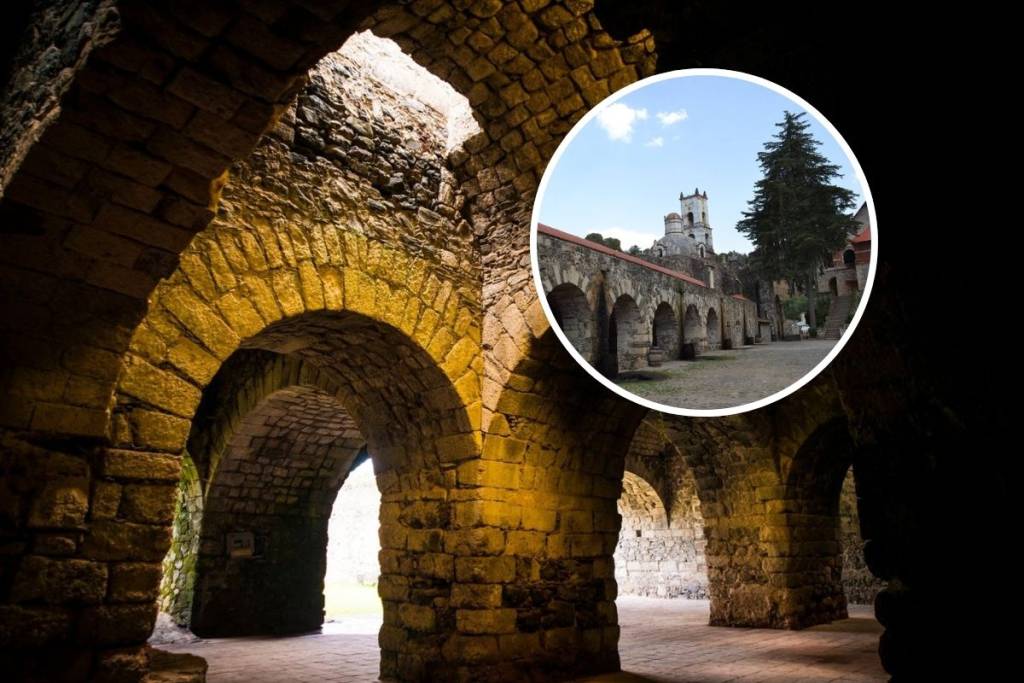

If you’re planning your next adventure and want to immerse yourself in spectacular natural surroundings, Hacienda Santa María Regla is the perfect place to discover one of the most impressive 18th-century buildings. Strategically located deep within the canyon that shelters the Basalt Prisms in Hidalgo, this building offers a view that’s unique in the country.
A bit of its mining history
This architectural marvel was built between 1760 and 1780 by Don Pedro Romero de Terreros, better known as the Count of Regla. Thanks to mining operations, he became one of the wealthiest men in the Viceroyalty. The location was carefully chosen for its proximity to the Real del Monte mines, establishing itself as the first silver and gold processing plant to appear in this area.
Architectural Attractions and Secrets
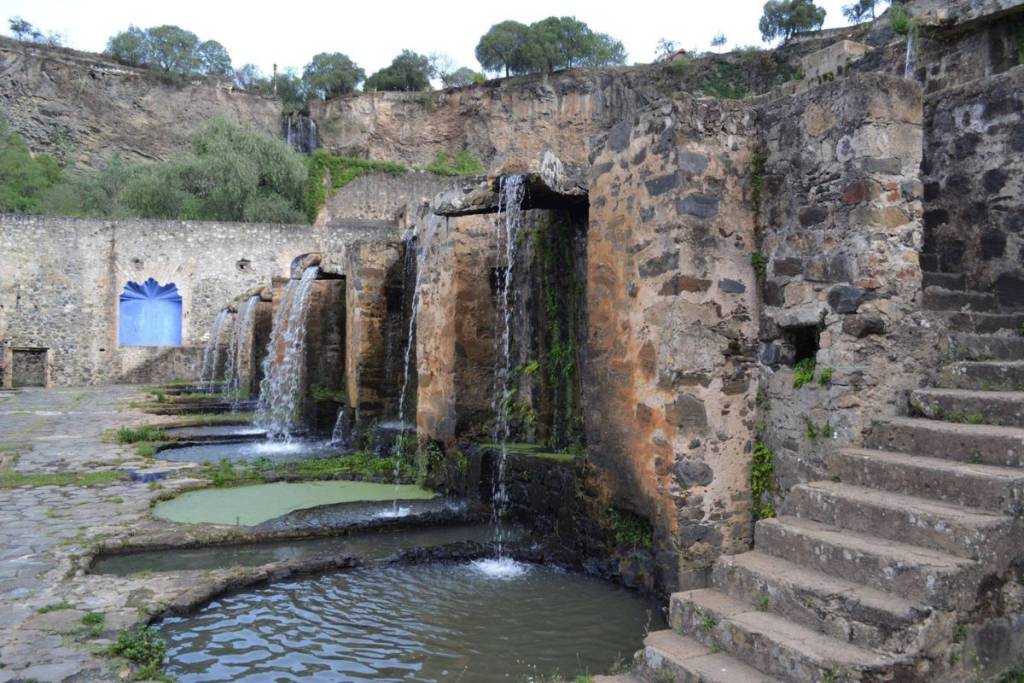
Today, this complex features a main building with several rooms and is full of historical surprises. Among its most notable features are:
- A parish church or chapel with a beautiful Baroque-style façade.
- An imposing aqueduct.
- A dungeon, which in the past was used to confine those suffering from smallpox and measles.
- Labyrinths and secret tunnels (accessible with a guide) that were used many years ago to transport silver and gold.
- New elements have been integrated over time, such as an artificial dam.
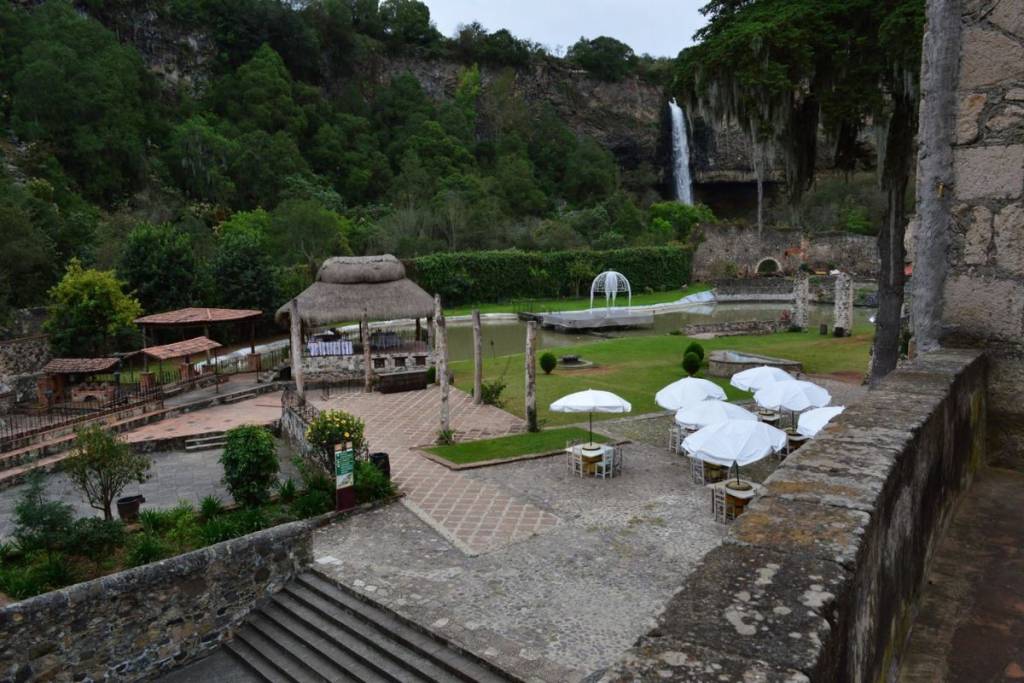
The hotel is located at the head of a large ravine guarded by enormous, steadfast stone sentinels, representing one of Mexico’s 13 natural wonders.
Location, hours, and prices
To plan your visit, keep the following information in mind:
- Address: Domicilio Conocido s/n, Huasca de Ocampo, Hidalgo.
- Hours: Monday through Friday from 9:00 a.m. to 9:00 p.m., and Saturdays from 9:00 a.m. to 7:00 p.m.
It’s worth noting that you don’t have to be a hotel guest to visit this hacienda; general admission for a tour of the grounds costs $100.
In short, exploring every stone-lined corner, venturing into the tunnels, and admiring the canyon of the Hacienda Santa María Regla will transport you directly to our country’s fascinating mining past.