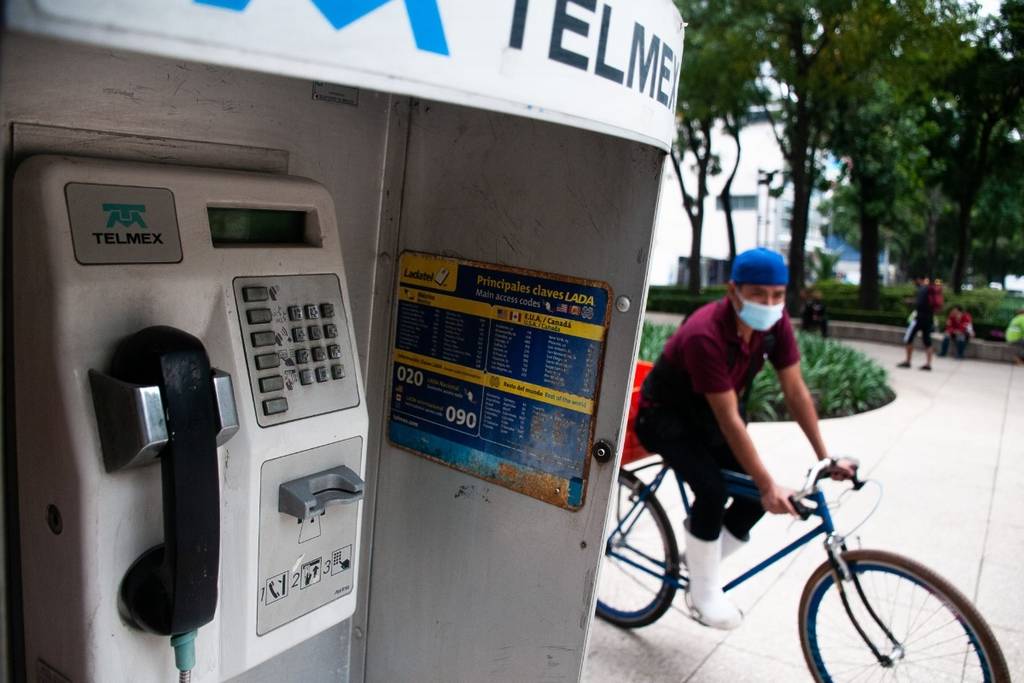

Walking through the streets of the Mexican capital means navigating relics of an era when communication depended on metal and plastic. The streets that were once lined with people waiting in line to make a call now belong to passersby immersed in the immediacy of their own screens. As a result, we will see fewer and fewer payphones in Mexico City, as their removal has been ordered.
From coins to the popularity of Ladatel cards: the history and removal of payphones in Mexico City
The history of telephone booths in Mexico City began in the 1940s. At that time, the first coin-operated public telephones were installed on major street corners to connect the metropolis. A call cost just 20 cents, establishing these booths as daily meeting spots for residents.
The system underwent a technological and commercial shift in the 1990s with the introduction of Ladatel cards. Backed by the memorable advertising slogan “¡Háblele!”, these plastic cards replaced the need to carry coins. Their wide variety of designs even spawned a collector’s market, while keeping them topped up was vital to avoid being cut off from communication while out in public.
Currently, 99% of the booths are no longer in use. The proliferation of Wi-Fi connections and the current total of 144,585,131 active cell phone lines in the country have rendered the old infrastructure completely obsolete.
Faced with this decline in use, the Mexico City Congress requested the removal of these booths in order to reclaim public space. Many of those still standing obstruct pedestrian traffic or end up serving as makeshift trash cans.
Did you ever use them? Tell us about your experience.