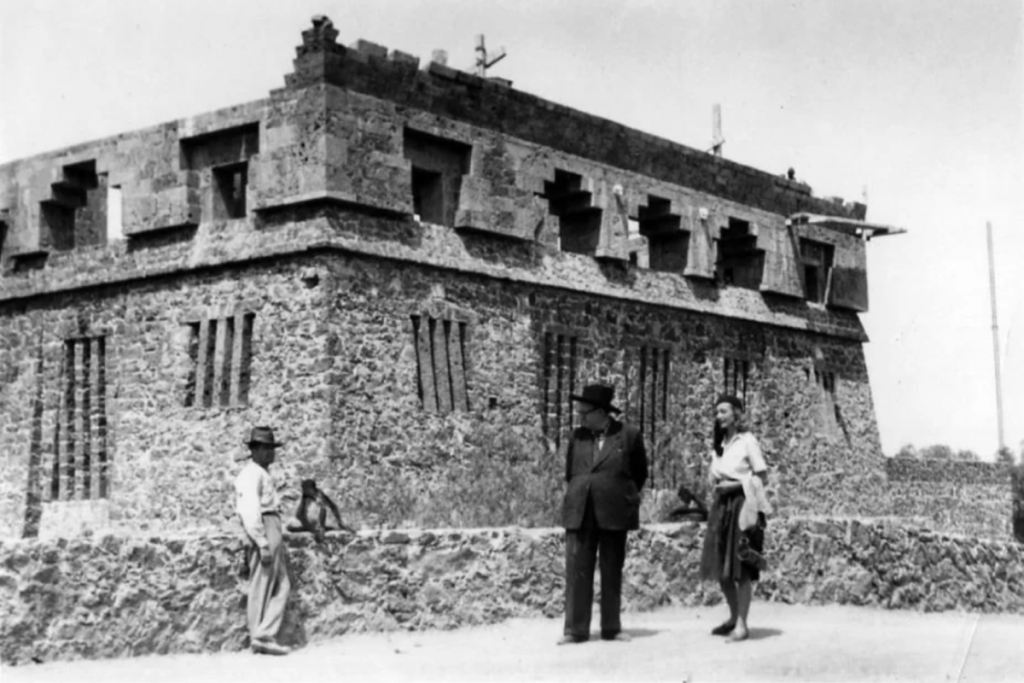

This museum, built of volcanic stone, looks like a direct portal to the underworld! It’s not a movie set, but rather the most enigmatic legacy Diego Rivera left us. If you thought you knew all the secrets of this city, get ready to have your mind blown by the story of the Anahuacalli Museum.
Diego Rivera maintained a collection that he began as a child
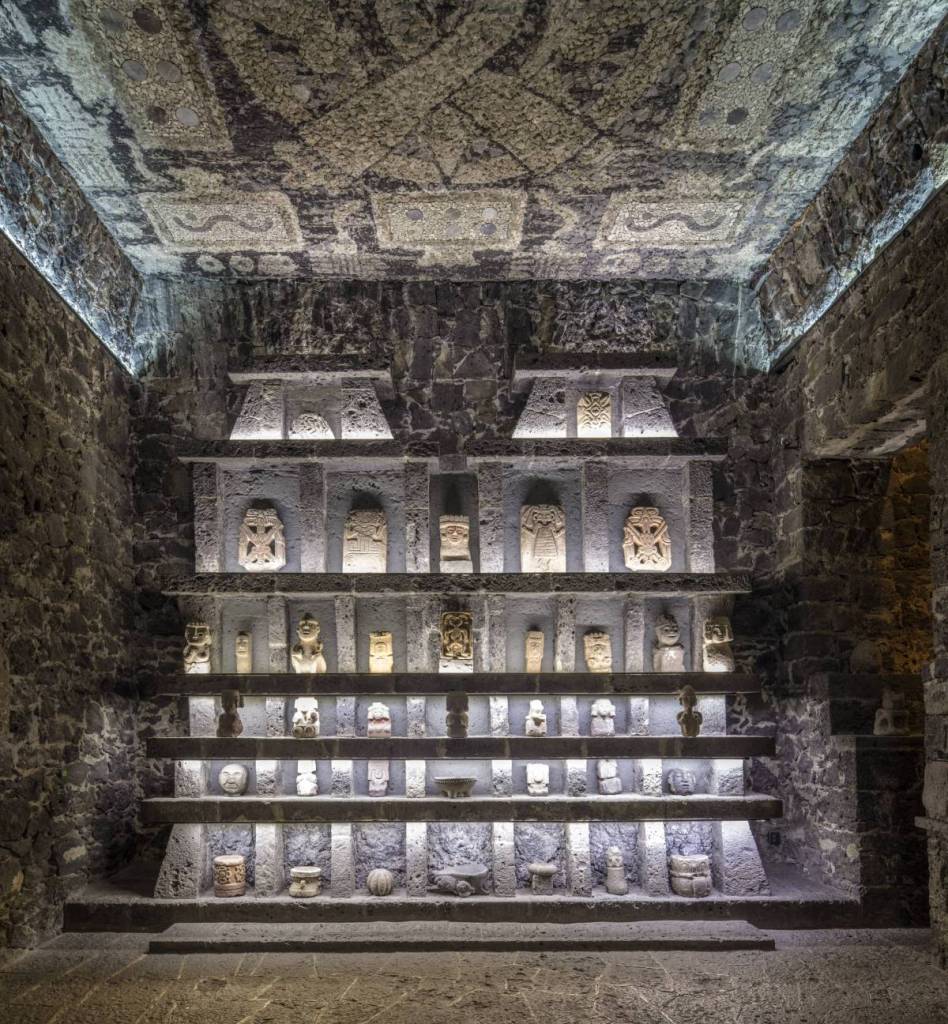
This modern temple was born from an obsession that few people knew about: from childhood onward, the muralist devoted his entire life to rescuing a monumental collection of pre-Hispanic artifacts from flea markets and archaeological excavations, saving nearly 60,000 pieces—such as Teotihuacan masks and Mixtec incense burners—which today pulse with life within this stone colossus.
By the 1940s, the artist began drawing up plans for the project; together with artist Frida Kahlo, he decided that the building would stand atop a majestic layer of volcanic lava.
With the support of the talented architect Juan O’Gorman, they built this imposing structure, drawing inspiration from the pyramids of Teotihuacan and using the classic sloped-slab construction method.
But pay attention to the details! It’s not just an old-fashioned replica; it features very avant-garde touches, such as the enormous central window designed specifically to illuminate the painter’s studio.
The City of the Arts and the Pre-Hispanic Cosmos
It’s worth noting that the muralist modified the museum’s plans; as construction progressed, so did the complex, which Rivera called the City of the Arts.
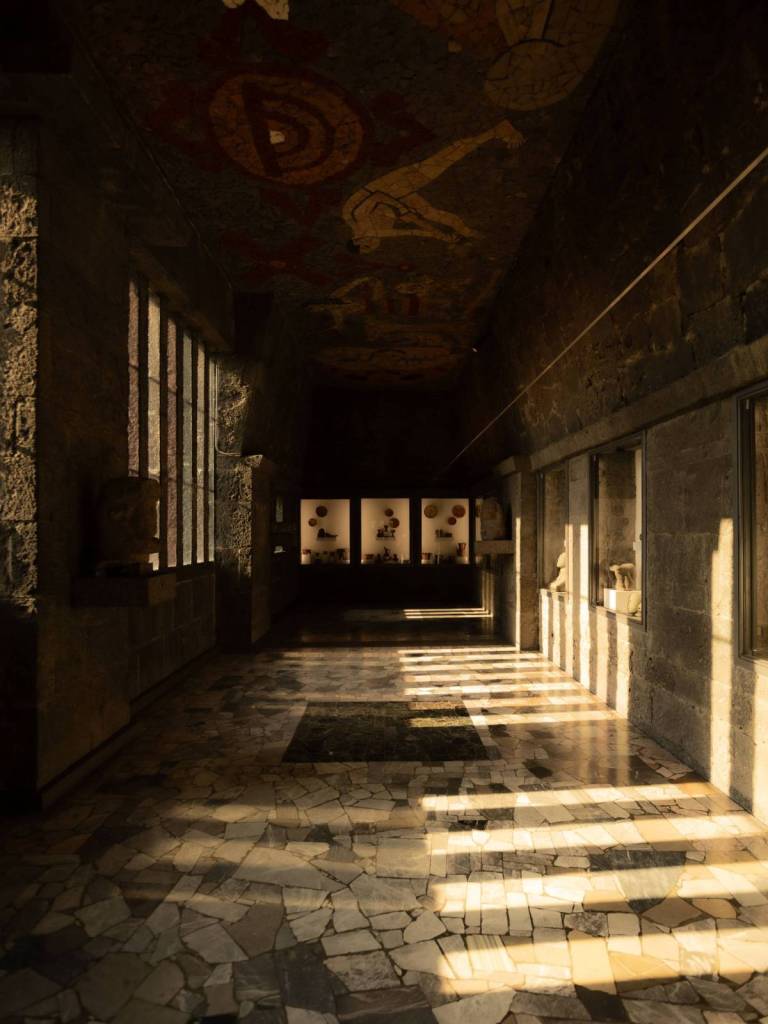
A tour through its corridors will blow your mind because it completely simulates the pre-Hispanic cosmos. The ground floor represents a dark underworld, the first level is the earthly world, and the top floor simulates the upper world.
Diego Rivera did not live to see this project completed
Unfortunately, construction was so complex and slow that, when he died in November 1957, the artist had seen only slightly more than half of the building completed. From then on, the collection was entrusted to the Bank of Mexico and his friend, the collector Dolores Olmedo, until 2002.
Over the decades, this imposing “House of Anáhuac” has continued to grow into the City of the Arts that the artist dreamed of.
In 2016, it unveiled new, modern spaces designed by architect Mauricio Rocha, and in 2026, its collection was further enriched with the addition of the collection of Juan Coronel, the muralist’s grandson.
Hours and Admission
Today, the museum not only displays Rivera’s immense collection but also hosts temporary exhibitions, food festivals, and various artistic activities—which you can check out on its social media channels.
Remember that the museum is open Tuesday through Sunday, from 11:00 a.m. to 5:30 p.m.
General admission is $100; students pay $40; seniors pay $25.00; and if you live in neighboring neighborhoods such as San Pablo Tepetlapa or Santa Úrsula, admission is free upon presentation of your INE. We recommend purchasing your tickets in advance to secure your spot and avoid lines.
Head out this weekend, take lots of photos (the permit costs only $30), and immerse yourself in the fascinating history of the Anahuacalli Museum.