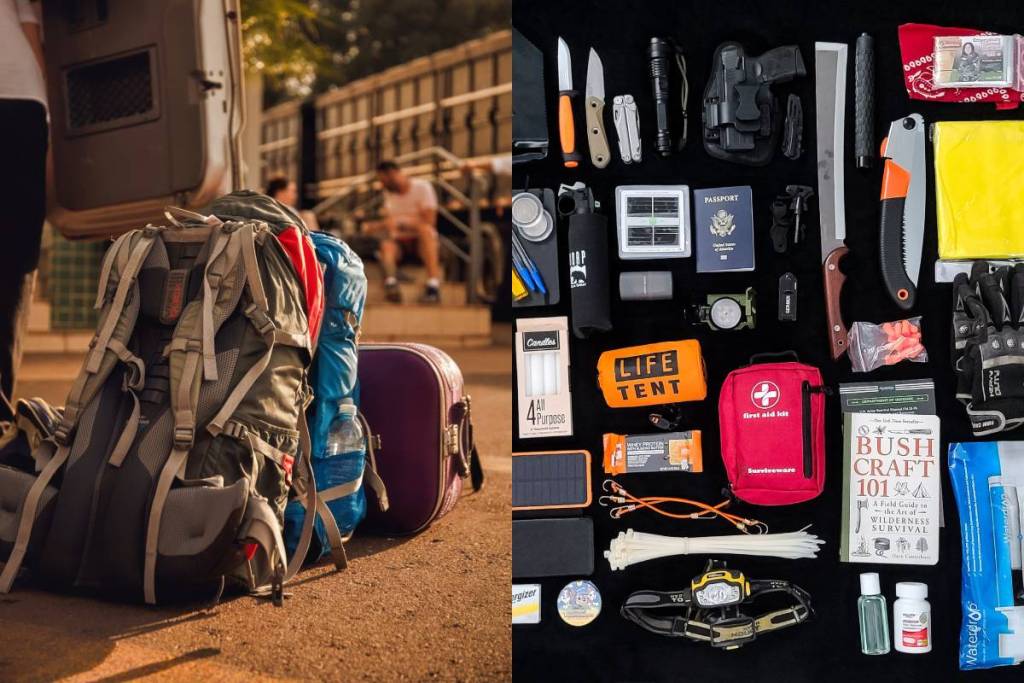

Having an emergency backpack ready can make a huge difference in the event of an earthquake or any other situation that forces you to leave home quickly. In Mexico City, where preparedness is part of daily life, it’s worth periodically checking that this kit has everything you need and that everything is in good condition.
The idea is simple: gather essential items that can help you during the first 72 hours of an emergency. And keep in mind that there’s no one-size-fits-all emergency kit. Its contents should be tailored to the number of family members, their ages, specific needs, and even your pets.
What should an emergency backpack contain?
Among the basics are bottled water, non-perishable food, a flashlight, a whistle, a battery-powered radio, and extra batteries. It’s also a good idea to include personal hygiene items, paper and a pencil, cash, and a first-aid kit.
Include copies of important documents and your house keys. You can also back up your documents on a USB drive. Additionally, it’s a good idea to pack a change of clothes and contact information that can be accessed even if your cell phone runs out of battery.
Periodically check your food, water, medications, and batteries to replace any items that have expired or stopped working.
Children and pets also need their own kit
If there are young children at home, the backpack should be lightweight and appropriate for their size. In addition to water, food, and basic hygiene items, you can add a blanket, clothing, an ID card with emergency contacts, and something for entertainment or comfort, such as a coloring book.
For dogs, cats, or other pets, include food and water for several days, bowls for serving them, a leash, harness, or carrier as appropriate, waste bags, and their regular medications. It’s also helpful to keep a copy of their vaccination record, identification information, and a recent photograph.
The backpack should be kept in a familiar location that’s easily accessible to everyone in the household. Try not to fill it with unnecessary items: the key is that it can be carried easily during an evacuation.