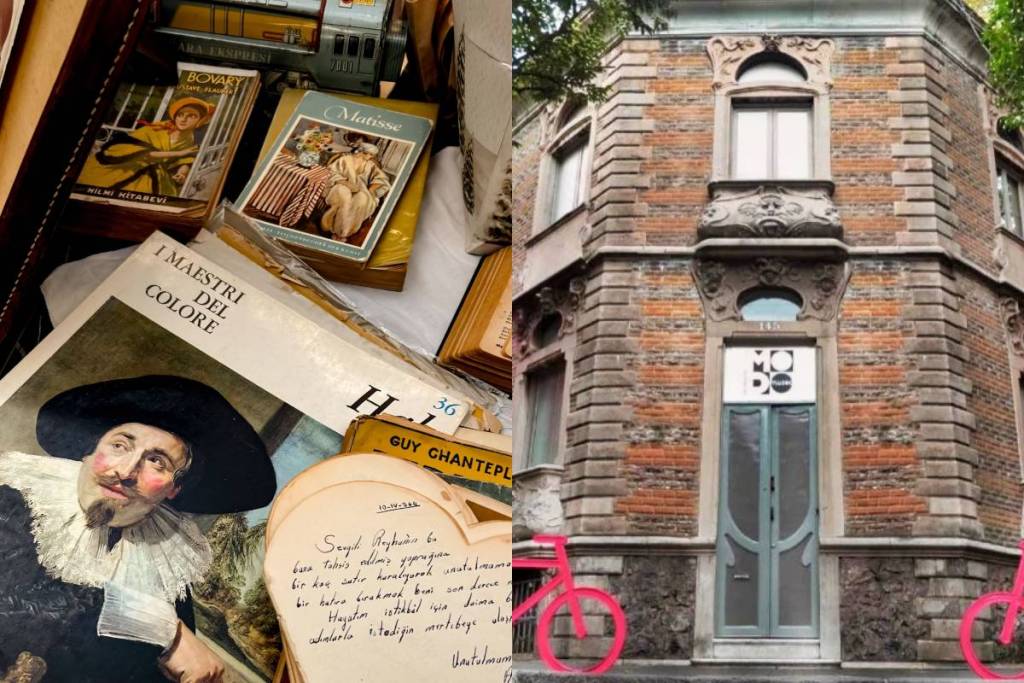

Do you save plane tickets from every trip? Do you have a mountain of stamps, bottle caps, or some object that no one understands why you keep? It’s time to pull that collection out of the drawer, because it could end up in a museum in Roma.
The Museum of the Object of the Object (MODO) has launched the call for entries “We All Collect, We Build This Museum Together,” a participatory project seeking personal collections to be part of an exhibition opening in February 2027.
And take note: here, it doesn’t matter if you have antiques, extremely expensive items, or works of art. On the contrary: the museum wants to discover those everyday, curious, and even inexplicable objects that you’ve decided to keep over the years.
How can you participate in MODO’s call for entries?
The call for submissions will be open from August 11 to September 11, 2026. To apply, you’ll need to fill out the form available on the MODO website, share information about your collection, and attach two photographs that represent it.
A curatorial committee will review the submissions and select which ones will be included in the exhibition. Those selected will be notified in October 2026.
The selected items will be accepted on loan and subsequently returned to their owners once the exhibition ends.
📅 Registration from August 11 to September 11, 2026
📍 MODO , Colima 145, Roma Norte, Mexico City
💸 Free to participate
An exhibition built from everyone’s obsessions
This initiative comes after 15 years in which MODO has explored everyday life through its own collection, comprising more than 200,000 objects that document different moments in Mexican culture and society.
Now the idea is to turn our attention to the community’s collections and discover what we’ve chosen to keep—and, above all, why we do so.
Sugar packets, tickets, packaging, stamps, and other little obsessions can hide memories and personal stories. That’s exactly what the museum wants to showcase in its display cases.
The selected collections will be on display starting in February 2027, turning the exhibition into a fascinating collective portrait of the things we treasure, even if they seem insignificant to others.