
The must-sees! If you’re in Mexico City and don’t want to waste time wondering what to do, check out this list of iconic museums you should consider when planning an art tour.
In addition to being beautiful venues, they offer a window into our history: from pre-Hispanic times and indigenous peoples to the greatest exponents of art in Mexico.
Architecture, original artifacts, and exhibitions that will leave you wanting to keep exploring the city. Whether you’re a local or a tourist, we recommend visiting these venues at least once in your lifetime.
National Museum of Anthropology
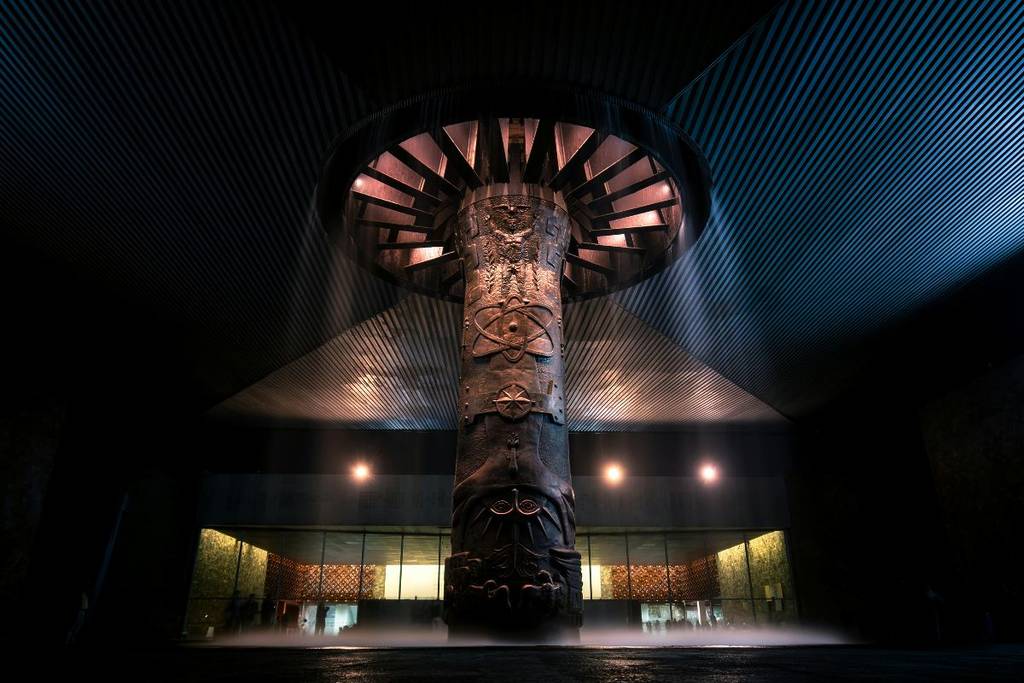
Opened in 1964 by architect Pedro Ramírez Vázquez, this museum is not just a repository of relics, but a statement of national identity.
The design of the central courtyard challenged the engineering of its time by supporting a gigantic roof suspended from a single central pillar (known as “the umbrella”), over which an artificial waterfall flows, symbolizing rain and life.
The museum is designed as a chronological and geographical journey: there are galleries dedicated to the archaeology of Mesoamerican cultures (such as the Olmecs, Mayans, Teotihuacans, and Mexicas), and others focused on ethnography, showcasing the culture of Mexico’s indigenous peoples.
Admission is free on Sundays.
Palace of Fine Arts Museum
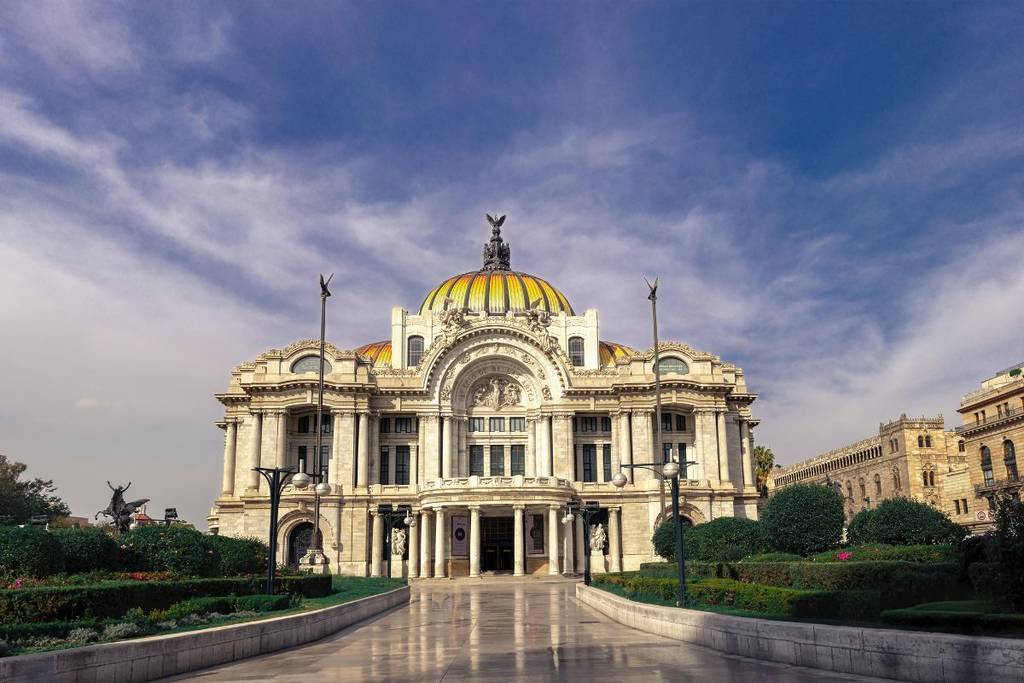
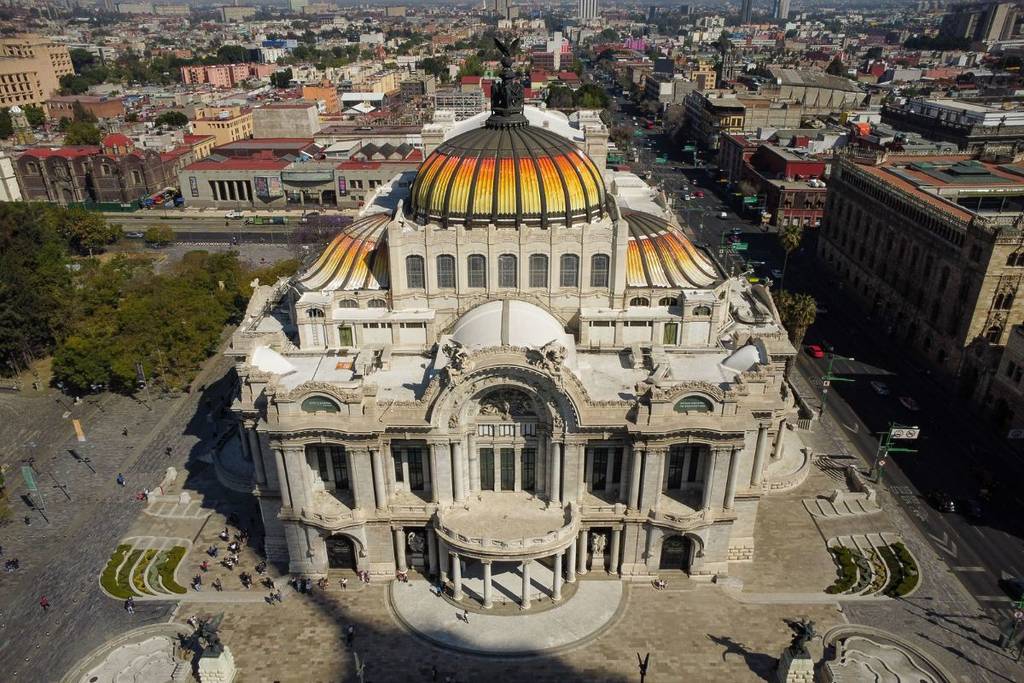
This building is one of the most important in our city, as it is not only beautiful but also a reflection of Mexico’s history during the 20th century.
Its construction was commissioned by President Porfirio Díaz to celebrate the centennial of Independence in 1910, based on a design by the Italian architect Adamo Boari featuring European opulence (hence its marble façade). However, the outbreak of the Mexican Revolution halted construction for decades. When construction resumed and the museum opened in 1934, the interior was redesigned in the geometric Art Deco style, which was in vogue at the time, and the interior walls were adorned with murals by the great muralists of the era.
Today, the museum houses a political-visual manifesto featuring works by Diego Rivera, José Clemente Orozco, and David Alfaro Siqueiros, to name a few.
Admission is free on Sundays.
Dolores Olmedo was an influential Mexican businesswoman, collector, and patron of the arts who maintained a close and complex friendship with Diego Rivera and Frida Kahlo.
Toward the end of their lives, Olmedo acquired a large number of their works, becoming the custodian of the most comprehensive collections of both painters worldwide (here you’ll find key pieces such as Frida’s The Broken Column or Diego’s The Mathematician ).
The museum’s setting is fascinating: it is located on the Finca La Noria estate, a massive structure dating back to the 16th century. The contrast between the colonial interiors filled with art, the collection of Mexican folk art, and the vast outdoor gardens where peacocks and Xoloitzcuintle dogs (the sacred Aztec breed) roam freely makes for a unique multisensory experience in the southern part of the city.
National History Museum (Chapultepec Castle)

Located at the top of Cerro del Chapulín, this iconic building has been both a witness to and a key player in the most important chapters of Mexico’s history. It began as a retreat for Spanish viceroys in the 18th century, served as a military academy (the scene of the U.S. invasion of 1847), and was transformed into an imperial palace under the orders of Maximilian of Habsburg and Carlota in the 1860s, later becoming the residence of presidents such as Porfirio Díaz.
Since 1939, by decree of Lázaro Cárdenas, it has housed the National Museum of History. The tour is divided into two main sections: the galleries that chronicle the country’s history from the Conquest to the Revolution (filled with carriages, clothing, weapons, and murals by Juan O’Gorman and Siqueiros) and El Alcázar, where you can stroll through the furnished imperial rooms, admire the Porfirian opulence, and explore its famous elevated gardens, which offer spectacular views of Paseo de la Reforma.
On Sundays, admission is free for everyone.
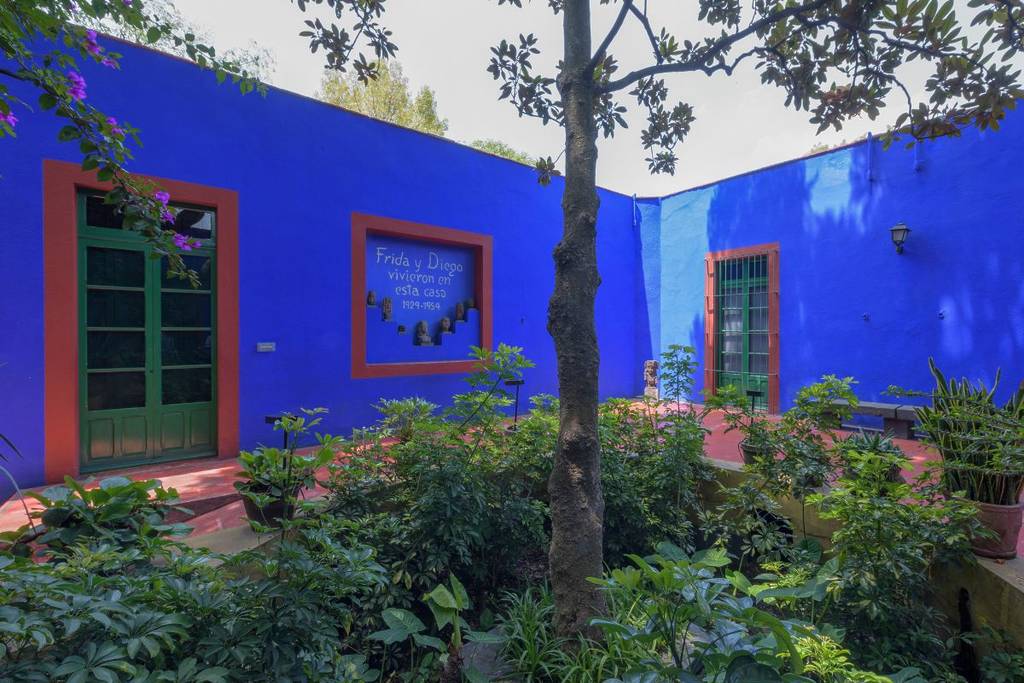
More than a traditional art gallery, visiting the Blue House is like immersing yourself in the life and private world of one of Mexico’s most globally renowned artists. This place was Frida’s personal universe, the place where she was born and died.
Walking through her rooms allows you to see her crutches, her plaster corsets decorated by her own hand, her untouched paintbrushes in the studio, and her bedroom with the mirror on the ceiling that allowed her to paint while bedridden. The art on display here is biographical, reflecting the physical pain, obsessive love, and Mexican folklore that shaped her life.
Templo Mayor Museum
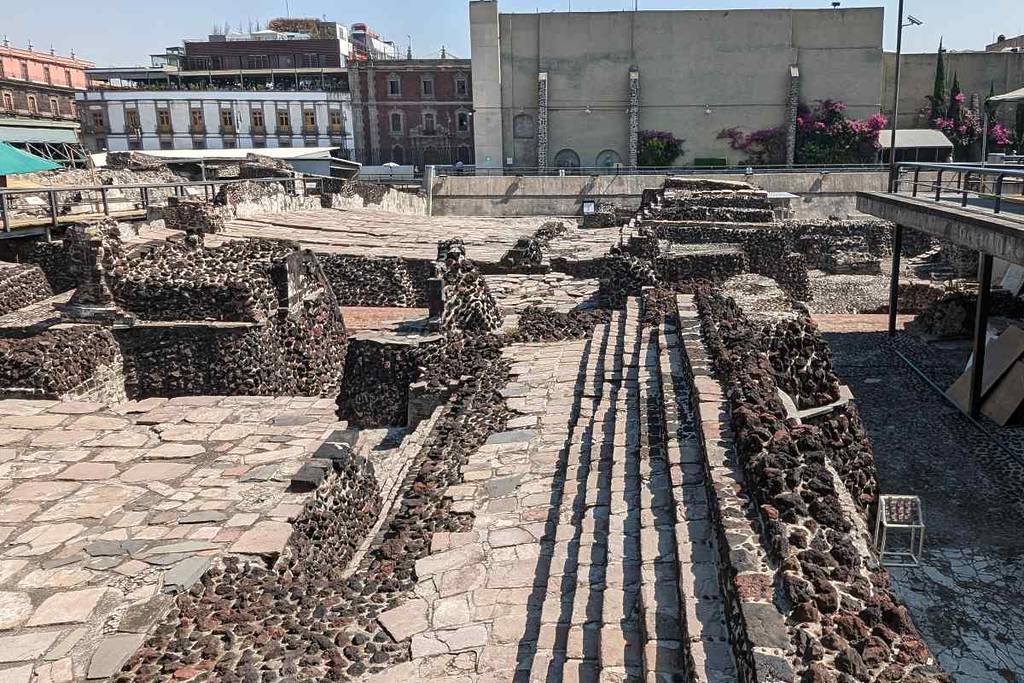
Until 1978, the exact location of Tenochtitlan’s main pyramid (the Templo Mayor) was an archaeological mystery buried beneath the colonial buildings in the city center.
Everything changed when utility workers accidentally unearthed the gigantic circular monolith of the goddess Coyolxauhqui. This sparked excavations that brought down colonial buildings to reveal the seven overlapping stages of the great pyramid.
The museum offers a journey through the original stucco and stone walls trodden by the Mexica peoples before the arrival of Hernán Cortés, and then leads you into an eight-room building housing the most delicate treasures recovered from ceremonial offerings: from seashells and sacrificial knives to gold masks and the skeletal remains of sacred animals.
On Sundays, admission is free only for Mexican nationals with valid ID.
Museum of Modern Art
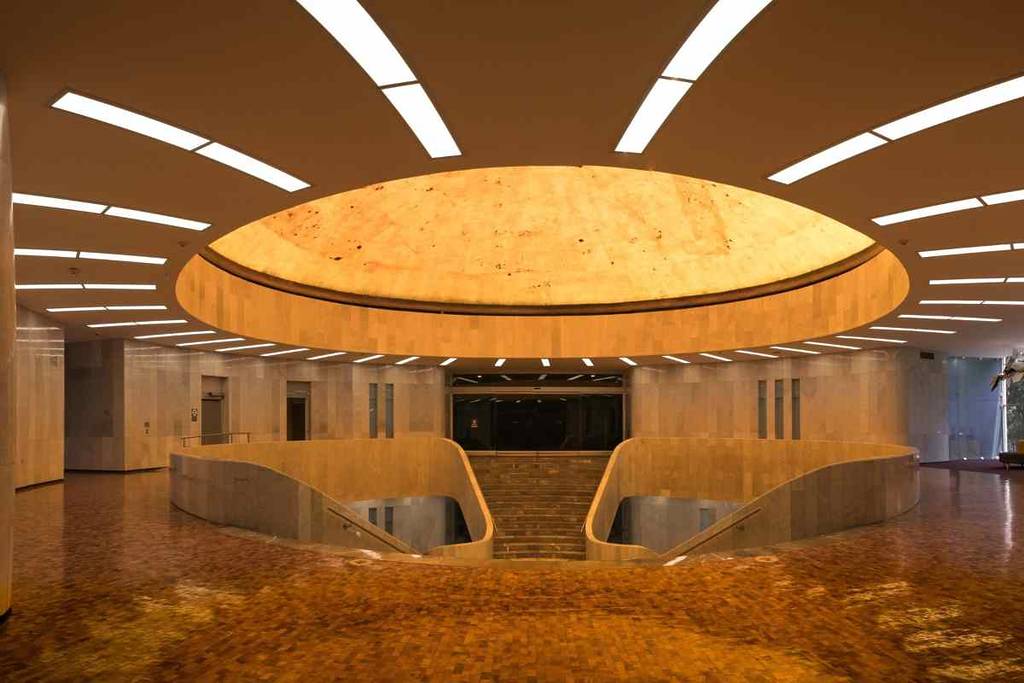
Surrounded by Chapultepec Forest, this is one of the museums you can’t miss during your visit to Mexico City, as it features an important collection of modern works from the first half of the 20th century.
The MAM was founded to showcase the avant-garde art that emerged after the golden age of muralism. Here you’ll find the imposing and mysterious work of Remedios Varo, the mystical creations of Leonora Carrington, and Frida Kahlo’s most famous and internationally reproduced easel painting, The Two Fridas.
Admission is free on Sundays.
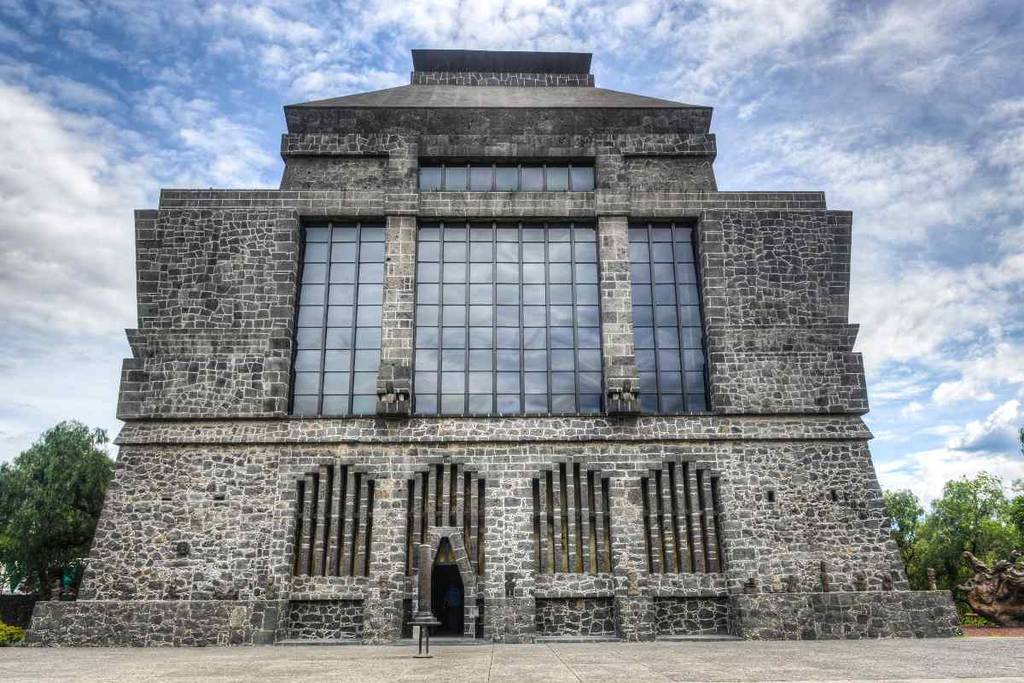
Diego Rivera not only loved painting Mexico’s present, but he was also passionate about its pre-Hispanic past. He collected nearly 60,000 archaeological artifacts to house them in this impressive temple built with volcanic rock from the southern part of the city itself—a landscape created by the eruption of the Xitle volcano centuries ago.
The building, designed by architect Juan O’Gorman, combines the aesthetics of a Mexica or Mayan pyramid. On the lower floors, the atmosphere is dark and mystical, evoking the pre-Hispanic underworld, while the upper floor is flooded with light, where life-size sketches of some of its most famous murals are on display.
Tamayo Museum of Contemporary Art

Founded in 1981 by the renowned Oaxacan painter Rufino Tamayo and his wife Olga, this museum was created with the goal of bringing the best of international art to Mexico and breaking away from the prevailing nationalism of the time.
Its architectural design, by Teodoro González de León and Abraham Zabludovsky, is a masterpiece of Mexican Brutalism; the concrete structure with hand-chiseled marble inserts blends organically with the hills and trees of Chapultepec Forest, seeming to emerge from the earth itself.
The museum does not have a static permanent collection on display; instead, it uses its collection (which includes artists such as Picasso, Miró, Rothko, and Bacon) to constantly engage with the city’s most avant-garde temporary exhibitions of international contemporary art.
On Sundays, admission is free for everyone.
National Art Museum
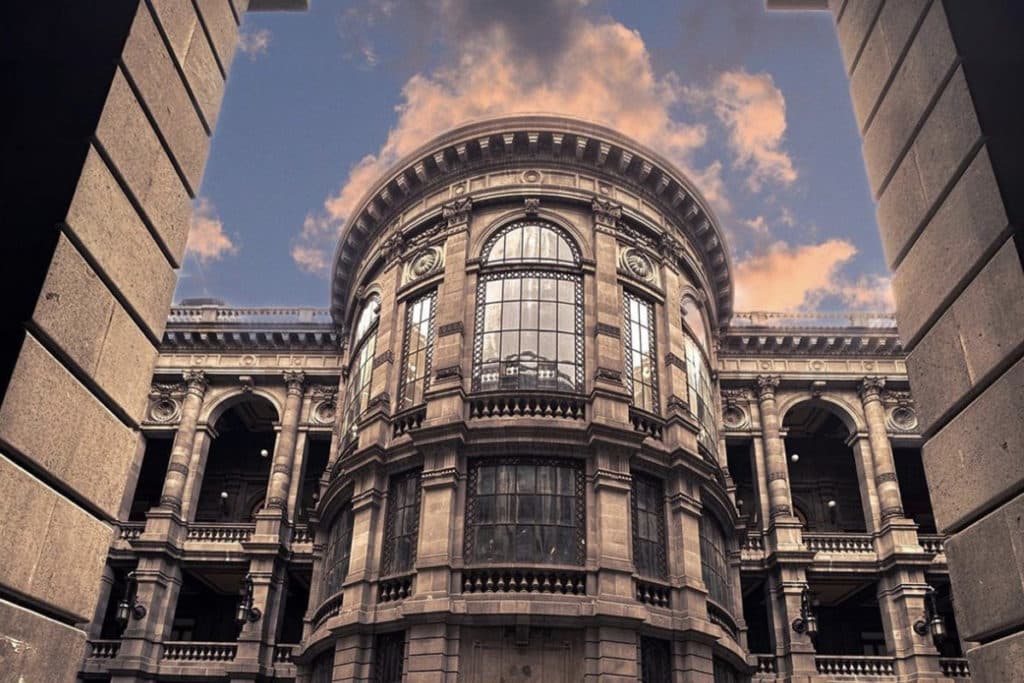
This museum began as the Palace of Communications and Public Works, designed by the Italian architect Silvio Contri. Its imposing wrought-iron and marble staircase, its frescoed ceilings, and the Plaza Manuel Tolsá in front (with the famous equestrian statue of Charles IV, “El Caballito”) transport you to the opulence of the late 19th century.
The MUNAL chronicles how the artistic vision in Mexico evolved. It highlights the brilliance of artist José María Velasco, whose works captured the light of the Mexican sky before the city became industrialized.
There are also works by María Izquierdo, Frida Kahlo, Diego Rivera, Rufino Tamayo, José Clemente Orozco, and David Alfaro Siqueiros in its permanent galleries.
Admission is free on Sundays.