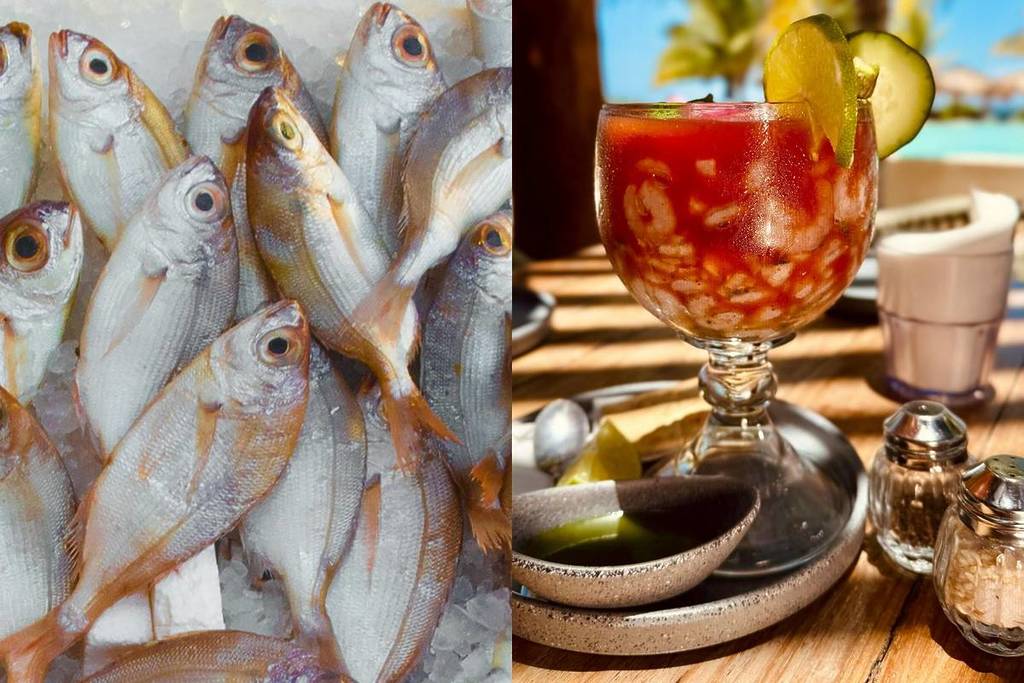

If you’re already thinking about deviled shrimp, paper-wrapped fish, or fried mojarras, we recommend you take a look at these tips for buying fish recently published by Profeco. These recommendations go far beyond just hygiene!
According to the Ministry of Health, fish and shellfish are exposed to viruses and parasites during processes ranging from transportation to preparation. Consuming seafood in poor condition can cause poisoning and infections.
That’s why we’re giving you some tips to help you avoid health risks. Pay attention:
- First, observe the quality of hygiene at the point of sale. It should have certified freezers, refrigerators, and scales.
- If you are buying a frozen product, check the expiration date.
- In general, fish and seafood should smell like seawater. If you detect a bitter or sour smell, it is best not to buy it.
- Touch them! They should be firm and return to their normal state when pressed.
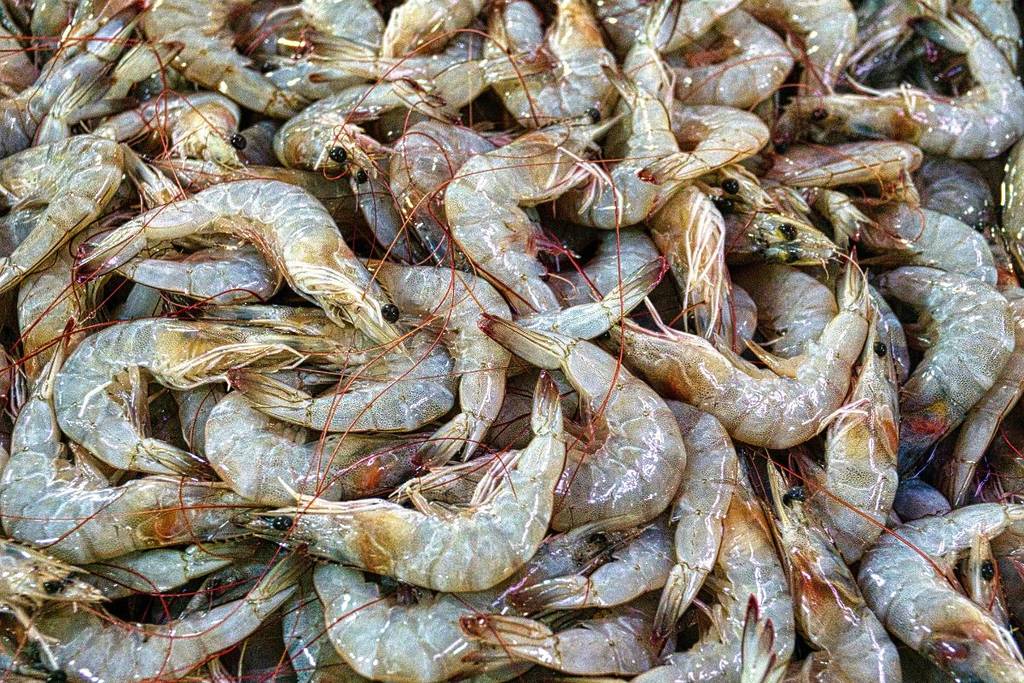
Before buying fish, shrimp, or frozen seafood, keep in mind that:
🦐 Shrimp: they should be translucent and shiny.
🐚 Bivalve mollusks, scallops, and mussels: the shells should not be broken; check that they close when you touch them. In the case of shells, they should be tightly closed.
🎣 Fish fillets: their color should be bright; avoid those that look dull or have green or yellow tones on the edges.
🐟 Fish: the skin and eyes should be shiny. The gills should be pink or reddish; in addition, the scales should be well attached and not have a bad smell.
Remember that cooking is about much more than just flavor… follow these recommendations and show off with the best aguachile of your life!